
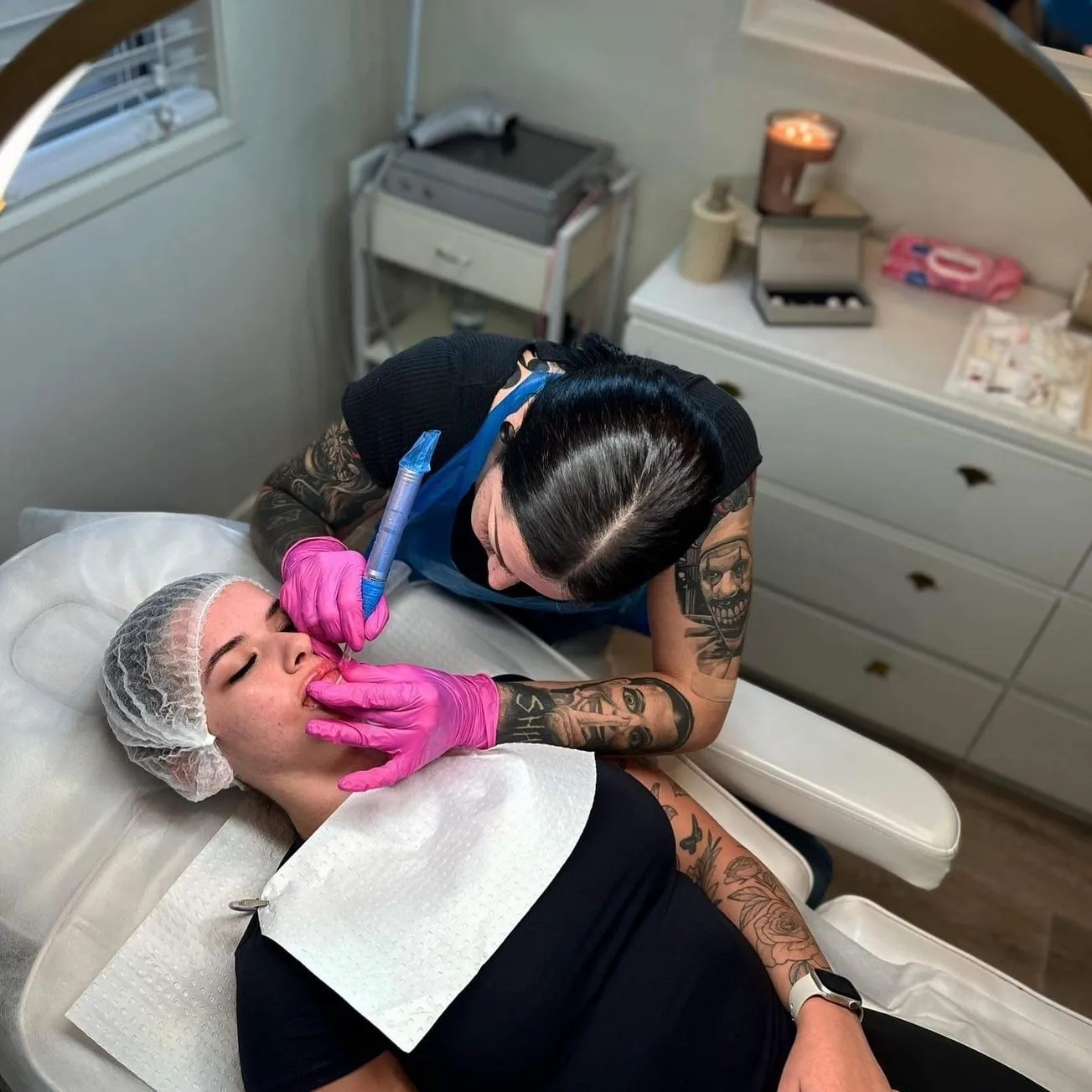
At Cosmetic Tattoo Brisbane Studio Face Figurati, we see a growing wave of aspiring artists wanting to dive into cosmetic tattooing — often inspired by social media tutorials or tattoo influencers sharing behind-the-scenes clips. The interest is real, and the motivation is genuine. But here’s the rub: while passion matters, safe and skilful tattooing takes more than just a steady hand and synthetic skin.
If you’ve ever found yourself deep in a TikTok scroll, watching someone shade perfect ombré brows in their bathroom with a machine they bought online, you wouldn’t be the only one thinking: can you actually teach yourself cosmetic tattooing?
With self-taught tattoo artists gaining huge followings and tattoo influencers demoing their favourite modern techniques on synthetic skin, the tattoo industry is starting to feel more accessible than ever. But cosmetic tattooing? That’s a different beast.
Spoiler: it’s not that simple. And while the answer isn’t a flat-out “no,” it comes with some serious skin-deep caveats.
It’s More Than Just a Steady Hand
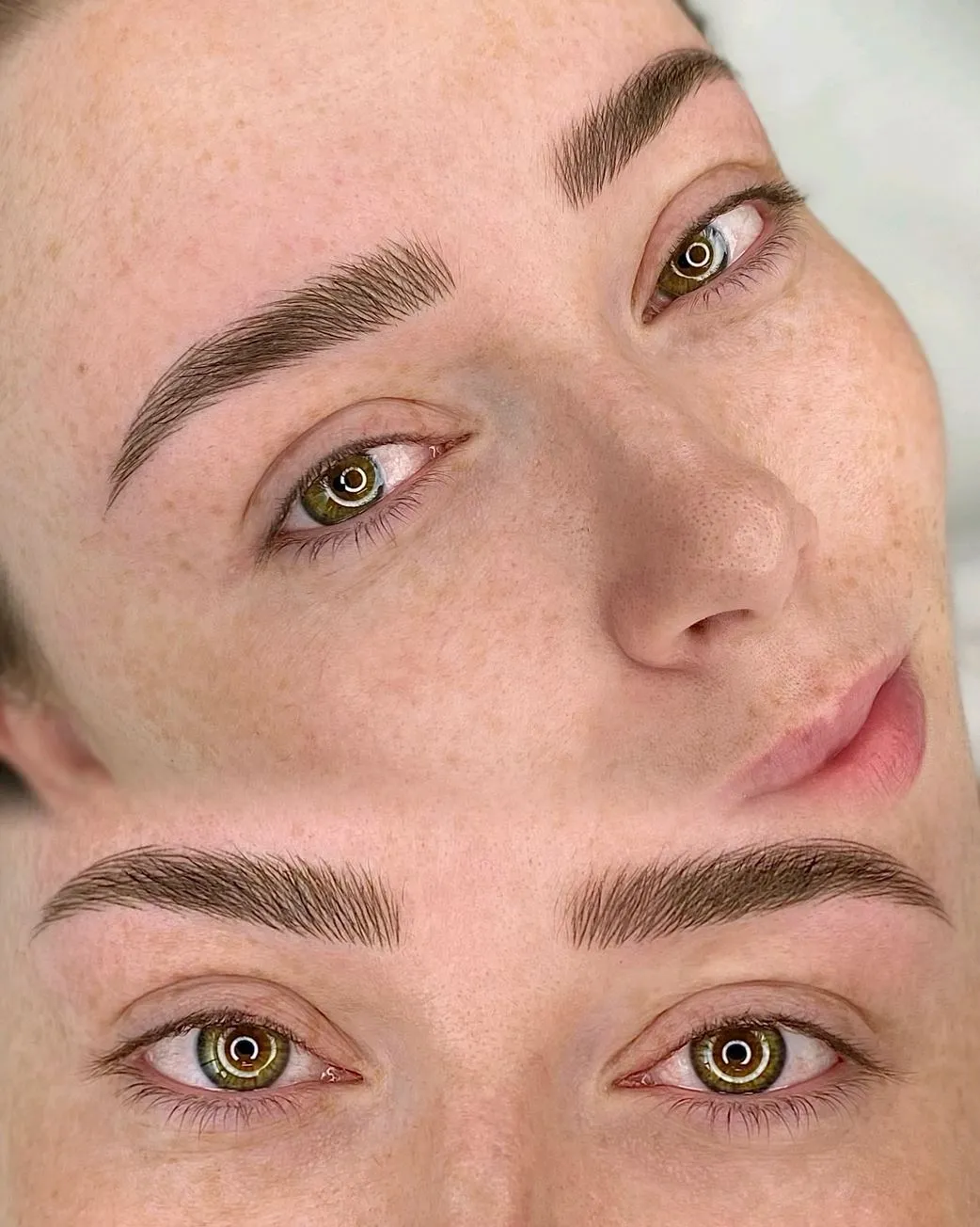
Before we get into the DIY debate, let’s clear up what cosmetic tattooing actually is. We’re talking about procedures like:
- Feather-touch brows (microblading)
- Ombré or powder brows
- Lip blush tattoo
- Lash line or eyeliner tattooing
- Scalp micropigmentation
- Areola restoration
Each cosmetic tattooing procedure involves a unique learning process — blending artistic skills with essential technical skills, pigment chemistry, and precise safety practices.
Put simply? It’s not just art. It’s anatomy, colouristics of pigments, healing cycles, and hygiene rolled into one.
What You Can Teach Yourself
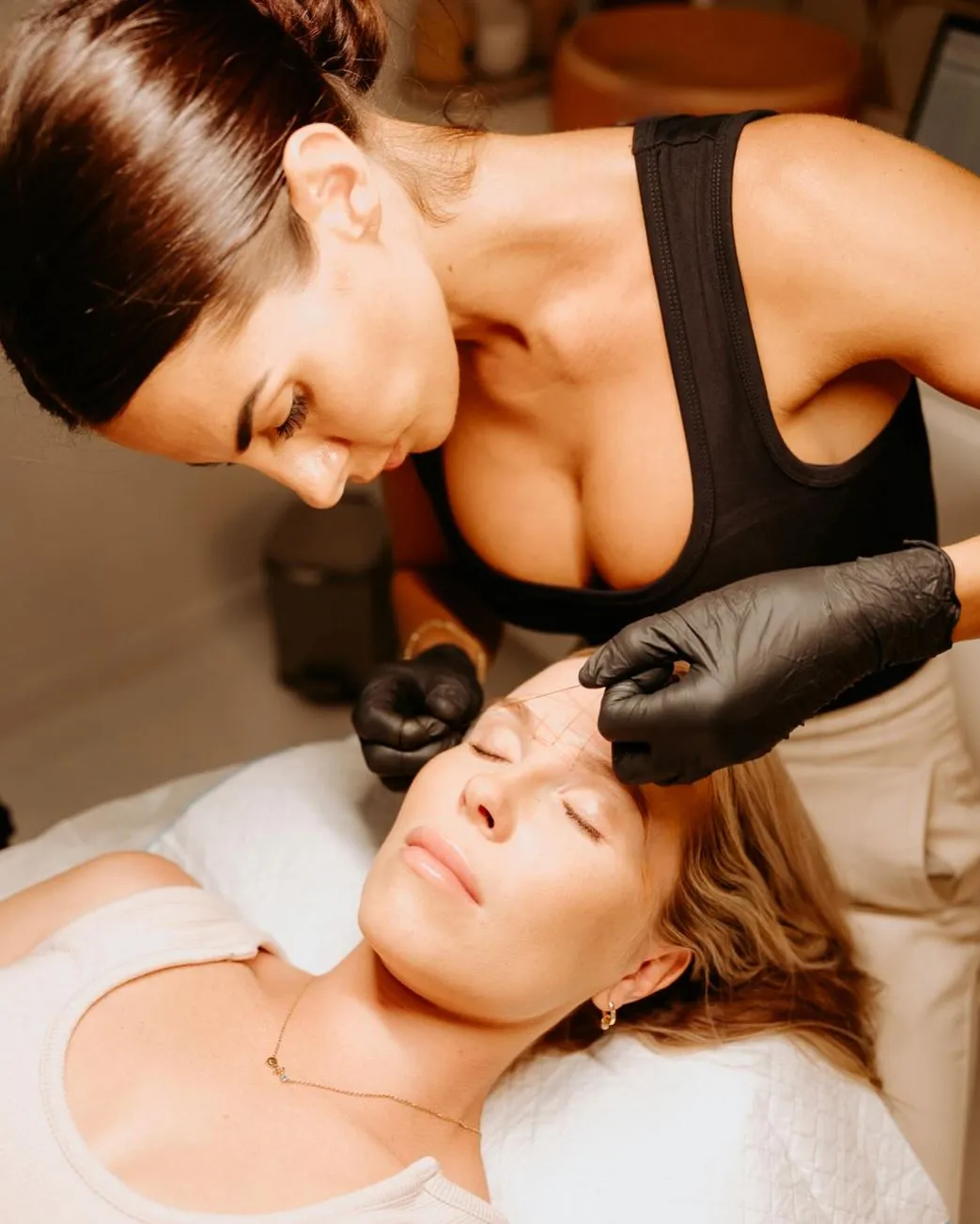
There’s no denying that some elements of cosmetic tattooing can be practised independently — to a point.
You can:
- Watch videos to understand the technique basics and the tattooing process
- Practice hand movement and machine grip on synthetic skin or artificial skin
- Study before/after transformations to learn visual design and natural beauty enhancement
- Explore colour theory and brow tinting through swatching and reading
- Take art classes to build creative knowledge and improve drawing skills
But you can’t:
- Safely test on human skin or tattoos on clients without infection risk
- Identify contraindications without basic knowledge of skin pathology
- Perform proper client consultations or build accurate client profiles
- Ensure proper pigment depth or retention without practical experience on real skin
So yes, you can build curiosity and muscle memory — but not professional safety or standards.
What You Can’t (And Shouldn’t) Learn Alone
Even with natural artistic expression and self-taught grit, some aspects of being a cosmetic tattoo artist require supervised instruction and ongoing education.
Here’s what can go horribly wrong when you try to shortcut your cosmetic tattooing journey:
- Infection or disease transmission: Without infection control knowledge and a current certificate, you risk serious health outcomes.
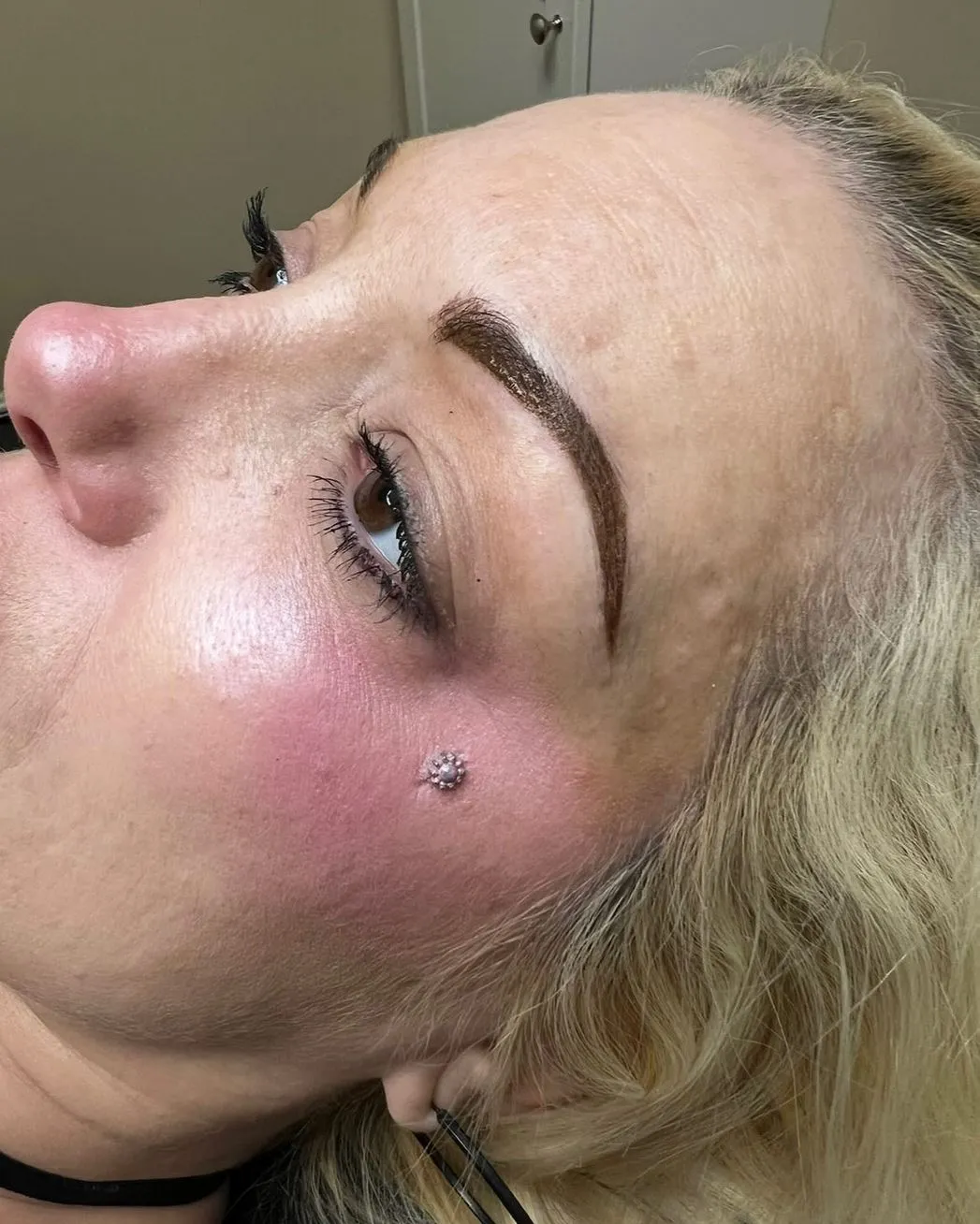
- Skin trauma and scarring: Tattooing too deep into real skin causes irreversible damage — especially on sensitive areas like the face.
- Pigment migration and poor retention: Without understanding the colouristics of pigments or tattoo ink behaviour in skin, results can shift, fade, or blur.
- Inconsistent design work: Without client consultations and facial mapping, brows or lips can look uneven or ill-suited.
- Legal and financial risk: Tattooing clients without a tattoo license or infection control certificate could land you with fines — or worse.
This isn’t just theory. As a cosmetic tattooist, you hold someone’s face — and trust — in your hands.
What the Law Says in Australia
Let’s talk regulations. In Australia, cosmetic tattooing falls under skin penetration legislation.
That means:
- You must hold a tattoo license or business registration through your local council
- You must complete an infection control certificate, usually SHBBINF002 or SHBBINF003
- You’ll likely need first aid and continuous learning in areas like skin science, hygiene, and consent
- You must work from a council-approved tattoo studio or cosmetic tattooing business, not a bedroom setup
Every state has its quirks, so always check with your local council. But whether you’re in a city salon or starting a tattooing career from scratch — DIY isn’t a legal option.
What the Pros Actually Learn in PMU Training
Legit cosmetic tattoo training courses (not the dodgy day tattoo courses) go well beyond watching a tutorial.
| Skill Set | Why It Matters |
|---|---|
| Skin anatomy + healing | Avoids scarring, improves retention |
| Colour theory + Fitzpatrick scale | Prevents unwanted tones and fading |
| Facial mapping + symmetry | Achieves flattering, even results |
| Infection control + safety practices | Protects both the artist and the client |
| Machine use + needle configurations | Ensures consistent tattoo artist skills and outcomes |
| Client communication + consent | Sets expectations, manages risk |
| Aftercare + troubleshooting | Supports healing, builds trust |
Proper PMU education also builds your understanding of real-world studio workflows: client base building, legal paperwork, insurance, and advice on aftercare. Reputable cosmetic tattoo courses provide these essential foundations, guiding you through every stage of your cosmetic tattooing journey.
Why the Trend Feels So DIY-Friendly
From viral tattoo influencers to fine-line tattooing reels with soft music and fake skin — it looks learnable.
But what you’re not seeing is:
- The annual training classes and advanced classes that these artists take
- Thousands of skins they’ve worked on — synthetic and human
- The tattoo shop inspections, the booked-out calendars, the failed attempts
- The hours spent refining their cosmetic tattooing procedure step by step
- The cost of good-quality tattoo ink, machines, PPE, and sanitation setups
Behind every effortless demo is a mountain of foundational work and ongoing study.
My Take as a Studio Owner
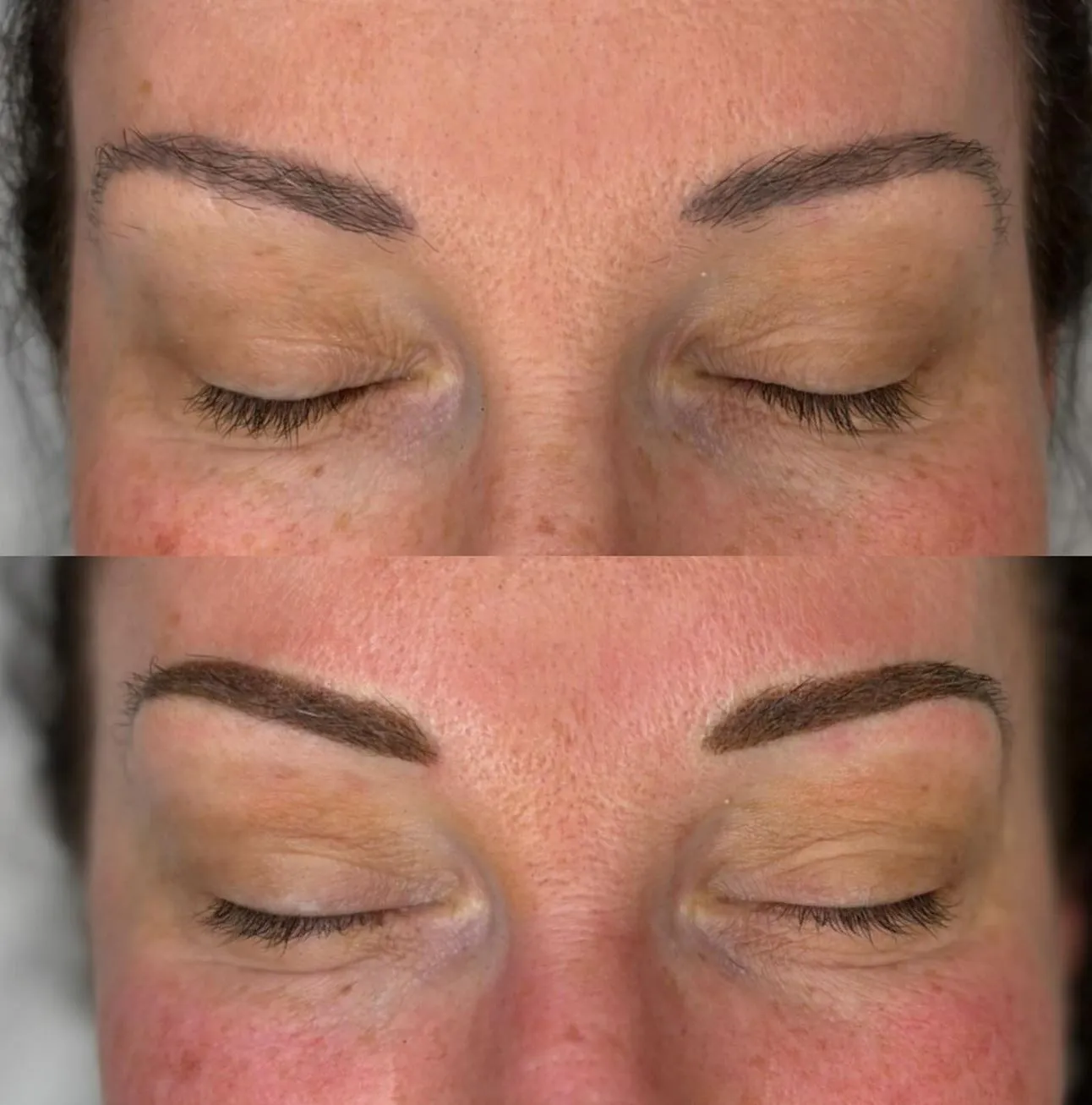
Over the years, I’ve seen the good, the bad, and the deeply unfortunate. From people practising cosmetic tattooing on themselves to others doing actual tattoos on clients without proper guidance — it’s a recipe for regret.
I’ve helped clients recover from:
- Heavily scarred lips from uneven pressure
- Faded ash-grey brows from incorrect pigment choice
- Blotchy, multi-coloured work from layering incompatible inks
A bit of advice? Don’t rush it. Self-starting is fine. But tattooing clients without training is a fast track to botched fixes — and unhappy word-of-mouth.
Final Thoughts
If becoming a cosmetic tattoo artist is your dream, start by building artistic skills. Draw daily. Explore art classes. Read up on colour theory. Watch reputable tattoo artists at work.
But when it’s time to go near human skin? Invest in proper cosmetic tattoo training. Look for continuous learning options, not just a one-and-done class. Book into classes in tattooing that offer hands-on practical training, ongoing mentorship, and feedback on your technique.
This isn’t gatekeeping — it’s safety, skill-building, and future-proofing your tattooing career.
FAQ
Can I legally practise PMU without a certificate in Australia?
No. Tattoo artists must meet council and state regulations, including infection control and operating from a registered tattoo studio.
What happens if I tattoo someone without a licence?
You risk fines, injury claims, or your name being flagged in council inspections. Even “just practising” breaches safety laws.
Can I use synthetic skin to learn at home?
Absolutely. Practising on artificial skin helps build hand control and confidence. Just remember — fake skin can’t replicate real skin’s response.
Are short day tattoo courses enough?
Some aren’t. Look for courses with practical experience, strong trainer feedback, and info on setting up your cosmetic tattooing business.
Where should I start my cosmetic tattooing journey?
Start with drawing, colour theory, understanding safety practices, and talking to reputable tattoo artists. Enrol in structured cosmetic tattoo courses that combine theory and hands-on learning to fast-track your confidence and capabilities. From there, book into professional training.