
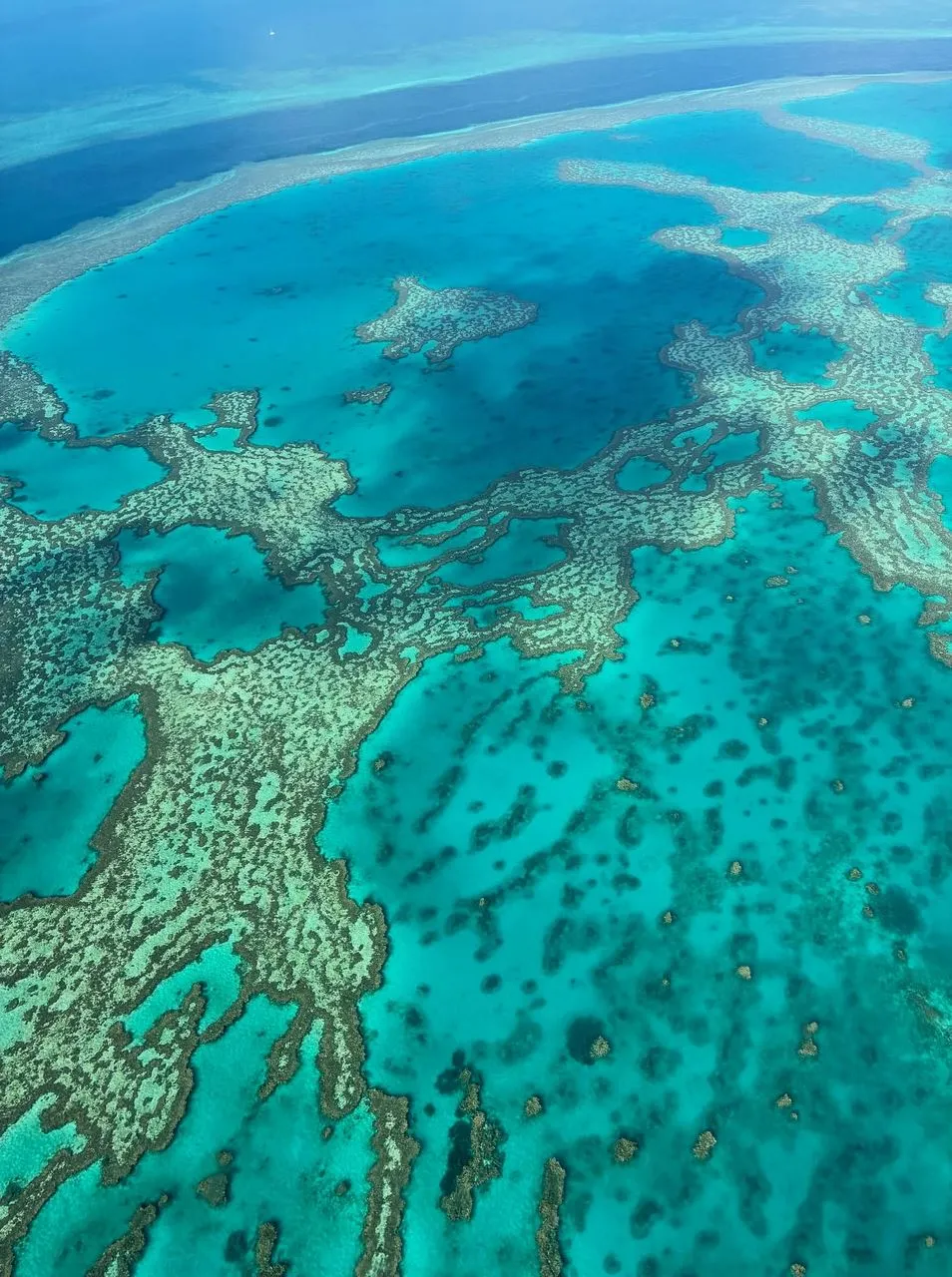
Why you should go to the Great Barrier Reef in the rain is more than just a quirky idea – it’s a genuine reality that I’ve picked up on after years working at the Reef, bouncing between Cairns & Port Douglas. Showers zip by quickly, the tropical climate keeps that ocean warm as toast, and the marine life tends to get a bit more rambunctious when the clouds start rolling over Northern QLD. I’ve seen way more colour, critters, and beaming snorkellers on rainy days than you’d think – especially compared to all the picture-perfect ones you see plastered everywhere.
Great Barrier Reef is more than just a sunny-day postcard; it’s a living, breathing marine world that thrives even when the skies go grey.
Why Quiet Weather Makes the Sea Feel More Alive
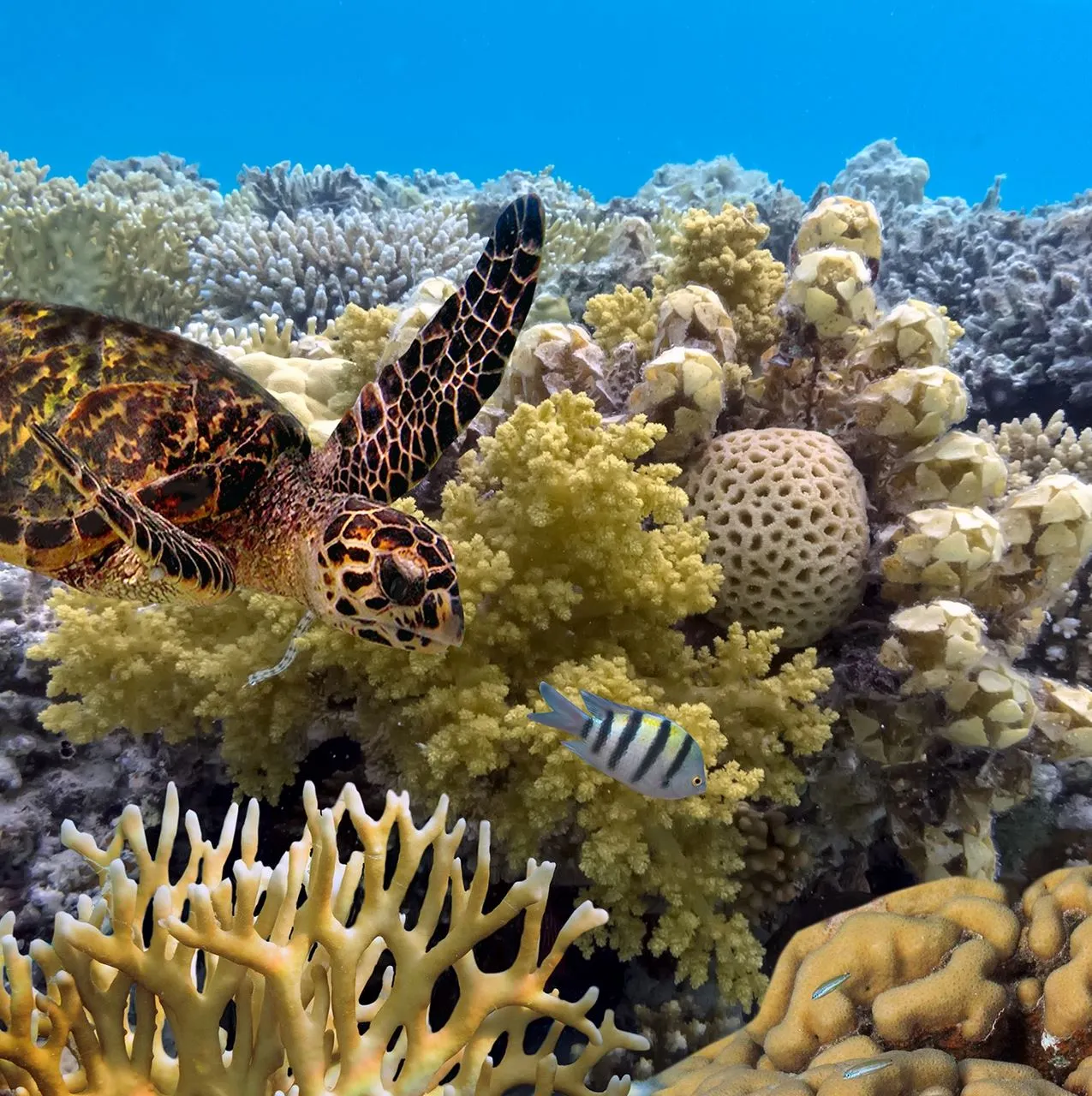
Rain gets a pretty bad rep, but it’s usually the wind that’s the real trip-killer. A bit of drizzle & a lot less wind is a pretty good combo – the conditions get glassy & the air cools down, which means way less glare bouncing on the surface. That makes the colours down below just pop – yellow butterfly fish with bright yellow fins, blue surgeon fish darting through coral cracks, fat wrasse cruising along like old mates having a chinwag at the local, even the occasional purple parrot fish just chomping away at the ocean bed.
When I was working on Reef boats out of Cairns & Port Douglas, I used to love mornings that looked all grey & green over the hills – more often than not, the wind would drop, the water would settle, and the outer Reef would light up like someone had flipped a big colour switch.
What Rain Actually Improves
- Softer light makes the coral colours come alive
- Cooler air gets the marine life more active
- Fewer people around means better photos & calmer snorkelling
- A lot less wind makes it safer for beginners
- And yeah – even on the rainy days, the water stays nice & warm – we’re talking Tropical North Queensland here after all.
What Reef Conditions Really Look Like On Rainy Days
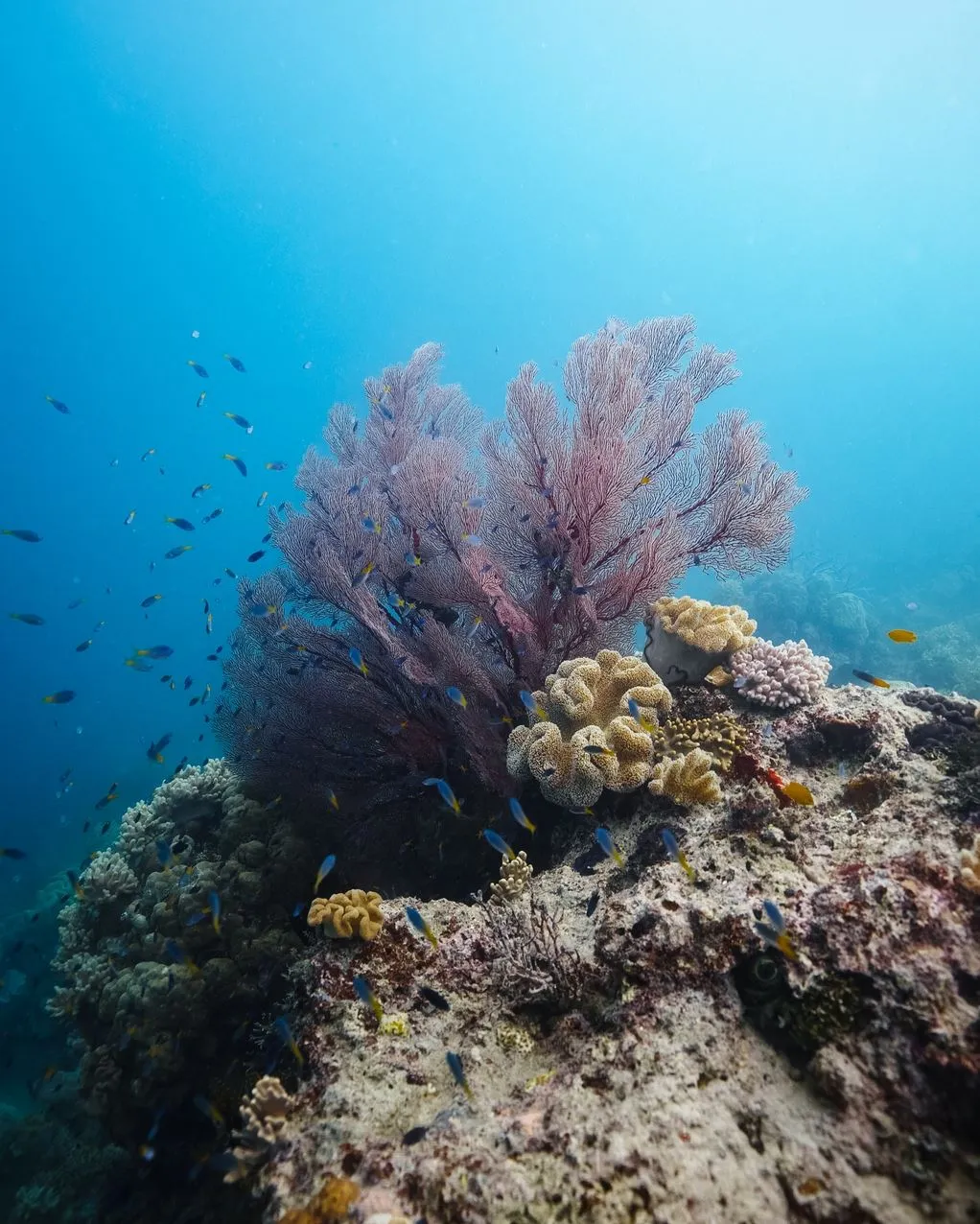
If you’ve never ventured out into the open water around here, you probably think that a rainy day is going to be a real grotty mess – but actually, it’s not that bad. Rain on its own doesn’t do much to obscure things – it’s the wind, the swells and the tides that really bring the visibility down. And because the offshore reefs like Flynn, Hastings, or Agincourt are so far out, they’re basically immune to all that freshwater runoff.
Even in the middle of the wettest week of the year, the Reef usually stays nice and blue, with pockets of super clear water that’ll make your eyes pop. Yeah, sure, you might get a bit of rainwater splashing down on you up top, but down below, it’s still like magic.
Typical Rainy-Day Reef Conditions
| Condition | What You’ll Likely Experience | Why It Happens |
|---|---|---|
| Visibility | 10–20 m on most Outer Reef sites | Rain rests on the surface; deeper water stays clear |
| Surface chop | Often lower | Rain days = lighter winds |
| Marine life | More mid-water movement | Cooler air temps reduce surface heat |
| Crowds | Much lower | Fair-weather travellers cancel unnecessarily |
I’ve had whole days out on the Reef where the coral looked better on a drizzly day than it did scorching in the sun. The Reef seems to love a bit of overcast – its planet earthy vibe just suits the rain.
Packing Smart For A Warm Rainy Day On The Water
Rain on the Reef is worlds away from the stuff that comes down in Melbourne – no cold gusts, no soggy socks to worry about. Sadly, though, many visitors turn up in surf shorts or a dodgy old coat that’s bound to leave them shivering as soon as the rain starts. But there’s a better way – pack for warmth between snorkels, not just dryness.
Your Rainy-Day Reef Packing Checklist
The Must-Haves
- A lightweight windbreaker to keep you dry – you don’t want to be getting soaked to the quick
- Reef-safe sunscreen – clouds don’t block UV rays, so you’re still at risk of getting burnt
- A waterproof bag for your phone and any souvenirs you pick up along the way
- A refillable water bottle
- Wetsuit or stinger suit ( you can get these from the operators, by the way)
- A weightedunaffected belt if you’re planning on doing some scuba diving
Some Nice Extras to Pack Along
- A quick-drying towel to dry off with when you get back on the boat
- A spare shirt or jumper to change into when you’re on the way back home
- Microfibre cloth to keep your camera gear spotless
- A GoPro or waterproof housing if you’re keen on getting some great underwater shots – the contrast can be really striking on a rainy day
And Leave These Behind
- Umbrellas – they’re only good for a laugh
- Heavy jackets that just get all soggy and wet
- Anything that you don’t want reeking of boat fuel and adventure
And don’t sweat it – the crew will have some hot soup waiting for you once you get back on deck. There’s nothing quite like a warm bowl of goodness on a rolling boat in a tropical storm.
The Ocean’s Secret Rhythms Will Surprise You
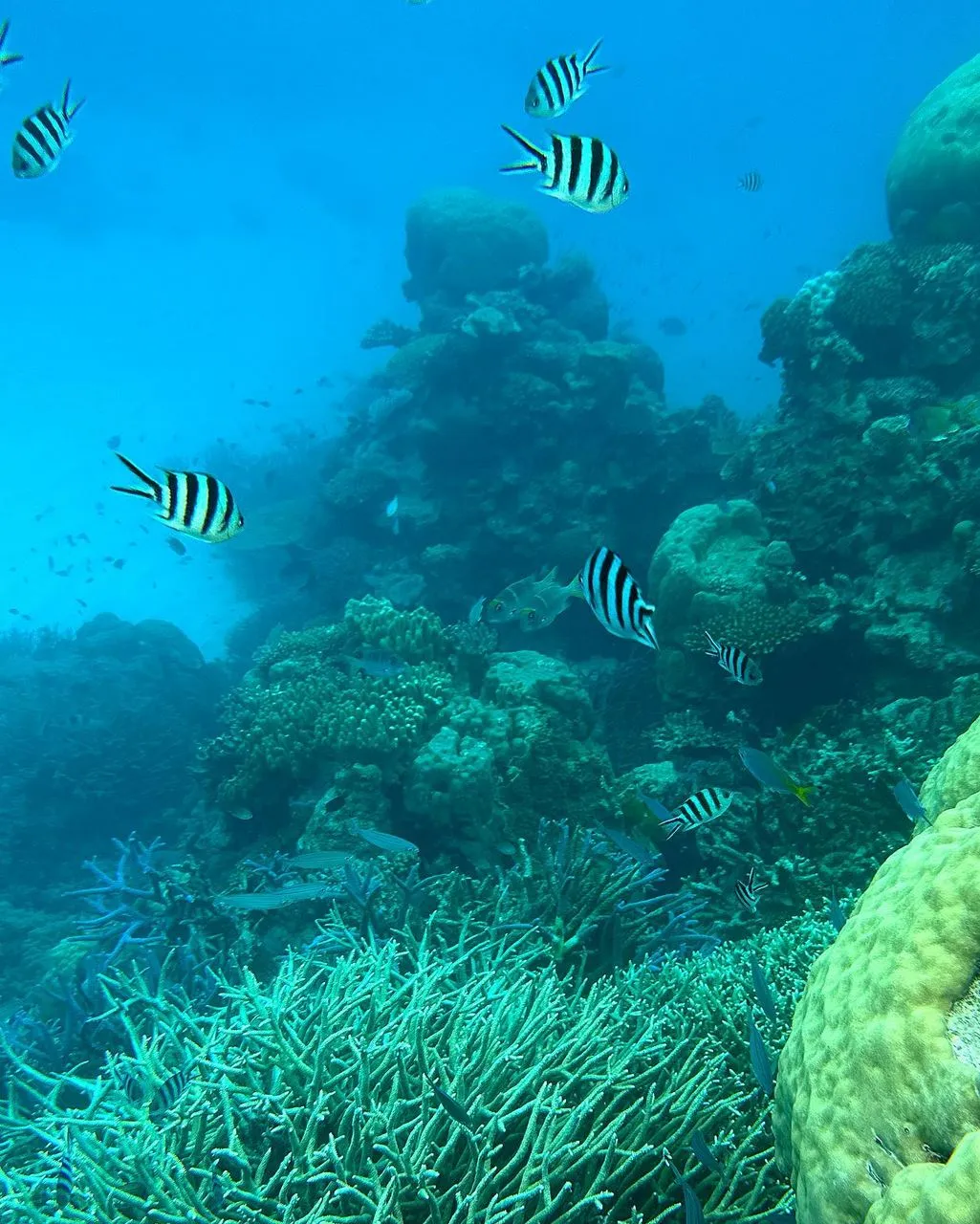
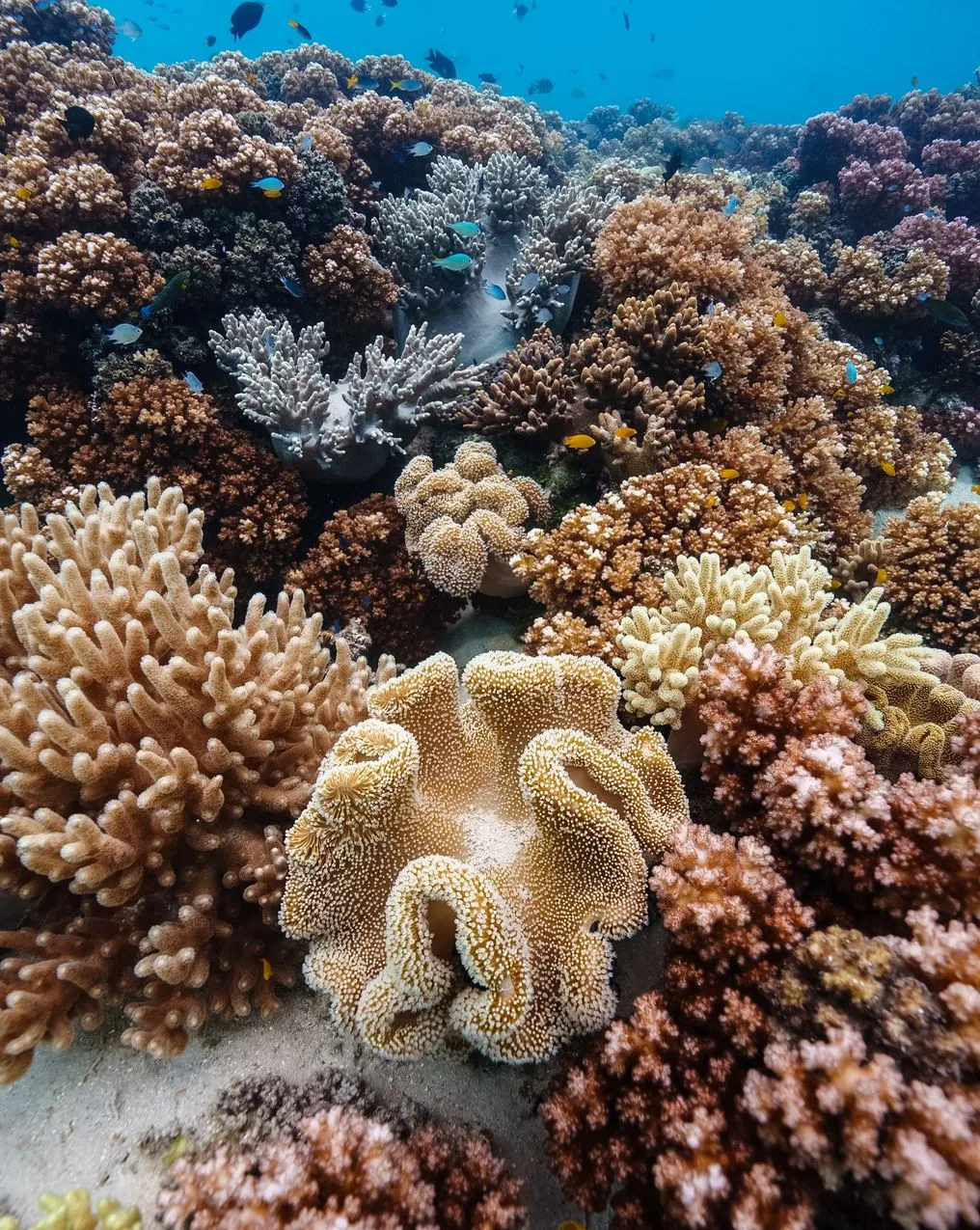
The moment the sky goes grey, the Reef gets a whole new vibe. Without the harsh sunlight, the soft corals open up wider, fish come up from deeper waters, and schools of brightly coloured species put on their own personal parade.
I’ve floated above a bommie with a kaleidoscope of fish swimming past – yellow butterfly fish, parrot fish, surgeon fish – all just going about their business while the rain patted the surface like a drumbeat.
Why Wildlife Gets So Much More Active In Rain
- Lower light levels make a lot of fish feel safer and more relaxed
- Cooler surface water gets the turtles popping up more often
- Less boat traffic means the marine life is a lot more laid back
Ask any scuba diver who spends real time out here – rainy days are often the best for getting up close and personal with the marine life.
When The Wet Tropics Put On A Show
Every now and then, a day just gets a bit too crazy to head out to sea – mostly due to wind rather than rain. But in Tropical North Queensland, you’ve still got options.
With its tropical climate and heaps of rainfall, the Wet Tropics rainforest really lets loose during the wet season. Waterfalls go from a gentle trickle to full-on thunder.
Great Rainy-Day Alternatives Around Cairns

- Barron Falls – looks pretty quiet in the dry, but watch out for the monster it turns into on a wet day.
- Sky Rail Rainforest Cableway – take a leisurely trip through the rainforest, cruising above the creeks which have turned into brilliant blue pools.
- Cairns Botanic Gardens – the rain just makes these gardens look even more lush and peaceful.
- Cairns Aquarium – great for families who want to see all the reef species they missed on a snorkelling trip.
- Tully Falls – you won’t see it at all in the dry, but it’s definitely worth a visit when it’s flowing strongly. Queensland Parks will keep you updated on the conditions.
Even when the mornings don’t look so great – a bit on the grey side – there’s always some good news in Tropical North Queensland.
Glass Bottom Boats and the Truth Beneath the Waves
Lots of people worry they won’t enjoy a day on the Reef if it’s raining – but the truth is, the surface water doesn’t really get affected by a bit of rain. On a glass-bottom boat tour, the clear viewing window makes the coral and fish look amazing even on cloudy days. And once you’re underwater, you’ll barely even notice if it’s raining up top – you’ll be too busy spotting all the amazing creatures.
I once met a bloke who came on a trip in a pretty crumby coat and souvenir t-shirt, convinced the day was a washout. By lunchtime, he’d stripped down to his swim shorts and was grinning from ear to ear – he’d just seen a turtle, a fat wrasse, and a whole school of purple parrot fish. He ended up buying a souvenir on the way back because the colours looked so nice.
Local Tips to Make the Most of Any Wild Ocean Day
A few simple choices can make the difference between an average wet-season trip and one that you’ll be raving about for years. Locals know to keep an eye on the wind forecasts, trust the crew to know what they’re doing, and stick to the Outer Reef when the weather’s being a bit dodgy. People at Great Barrier Reef Tour will tell you the same thing: the wind is what matters, not the rain.
Head For The Outer Reef
If you’re a bit further offshore, you’ll have clearer water unaffected by the rain.
Choose Bigger Boats When It’s Raining
Catamarans tend to handle choppy seas a lot better.
Listen To The Crew
They know the good spots to visit even when it’s cloudy.
Don’t Trust That Weather App
It can say it’s raining in Cairns, but the Reef might be basking in sunshine.
Pack For Warmth, Not Dryness
Once you accept you’re going to get wet, everything becomes a whole lot easier.
FAQ
Will a bit of rain ruin the views underwater?
Not usually – what matters is the wind and swell, not the rain that’s falling.
Is snorkelling still safe in the rain?
Yes – only the operators will cancel if the wind gets too high or there’s a proper storm.
Will the water still be warm on a rainy day?
Absolutely – the Reef is always warm, with temps around 24-29 degrees most of the time.
Will I still see all the colourful fish on a rainy day?
You sure will – species like blue surgeon fish and yellow butterfly fish tend to hang out closer to the surface.
Should I cancel my tour if the forecast shows showers?
No. Light rain rarely affects the Reef. Wind is the real factor.